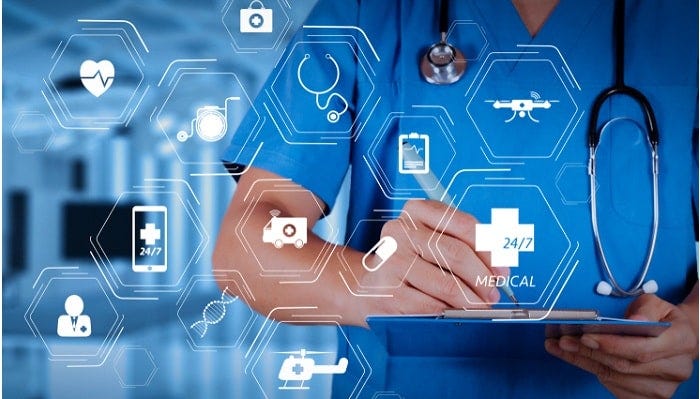
Our society is on the cusp of reinventing healthcare - developing healthy living within vibrant intergenerational communities where integrated medical and wellbeing services are designed into the fabric of the social ecosystem.
As science continues to make progresses, the genesis of Artificial Intelligence [AI] is profoundly altering how we think about and practise healthcare and hospitalisation. Already reshaping medical practice and patient care in remarkable ways, it has the potential to transform the entire landscape of integrated health and wellness. This is particularly exciting within the context of an aging society. As populations around the world grow older, the demand for efficient, accessible, and high-quality healthcare is more pressing than ever. AI's rapid advances offer promising solutions to meet these challenges.
Diagnostics & Image Analysis
One of the most significant impacts of AI in an aging society lies in the realm of diagnostics and predictive analytics. As populations age, the prevalence of chronic conditions such as heart disease, diabetes, and neurodegenerative disorders increases, making timely and accurate diagnosis crucial for effective management and treatment. AI-driven technologies and smart algorithms are revolutionizing this aspect of healthcare by enhancing the way medical images, such as X-rays, CT, PET, and MRIs are analyzed.
Traditionally, the interpretation of medical images has relied heavily on the expertise of radiologists and clinicians, a process that can be time-consuming and subject to human error. Algorithms based on deep learning are trained on vast datasets of medical images to recognize patterns and anomalies with remarkable precision. These algorithms can detect subtle changes in images that may be indicative of early-stage diseases - changes that might be overlooked by the human eye. For example, AI can identify early signs of cancers, fractures, or other abnormalities, facilitating quicker diagnoses.
For older adults, the speed of diagnosis is critical. Aging populations often experience a range of overlapping health issues, which can complicate diagnoses. AI's ability to analyze images rapidly means that healthcare professionals can make informed decisions more swiftly. This expedited process not only reduces the anxiety that patients may feel while waiting for results but also allows for timely interventions that can significantly alter the course of a disease. Early detection of conditions like Alzheimer’s or Parkinson’s for example can lead to early treatment options that may slow progression and improve quality of life.
Beyond immediate diagnostics, AI's capabilities extend into predictive analytics, which plays a crucial role in managing the health of the elderly. By integrating data from various sources - such as electronic health records, wearable health devices, and genetic information – we can use AI to identify individuals at risk for specific conditions based on their unique health profiles. For example, algorithms can analyze trends in a patient's vital signs or lab results over time to predict the likelihood of developing conditions such as heart disease or diabetes.
This predictive power allows healthcare providers to implement preventive measures tailored to each patient's needs. For instance, if an AI system identifies an elderly patient showing signs of declining heart function, healthcare teams can intervene with lifestyle modifications, medication adjustments, or closer monitoring before the condition escalates into a crisis.
Moreover, AI's role in diagnostics and predictive analytics fosters better care coordination among healthcare providers. When a patient is diagnosed with a condition, AI can facilitate communication between primary care physicians, specialists, and other healthcare professionals involved in the patient’s care. This integrated approach ensures that all providers have access to the same information, allowing for more cohesive and comprehensive management of the patient's health.
Ultimately, the impact of AI-driven diagnostics and predictive analytics on older adults translates to better health outcomes and an improved quality of life. Early detection leads to timely interventions, which can prevent the escalation of diseases and reduce hospitalizations. With more effective management of chronic conditions, older adults can maintain their independence longer and experience fewer complications.
It's clear that AI’s transformative role in diagnostics and predictive analytics is crucial for addressing the unique healthcare challenges posed by an aging society. By enabling faster, more accurate diagnoses and facilitating proactive care, AI enhances the ability of healthcare systems to improve health outcomes for older adults, ensuring they can lead healthier, more fulfilling lives.
Personalised medicine
The dream of personally tailored care began to take shape with the advent of whole genome sequencing, which allowed for an unprecedented understanding of individual genetics and their influence on health. Gene splicing is a powerful tool in modern biotechnology, enabling the precise manipulation of DNA for various applications. Its potential to revolutionize medicine, agriculture, and scientific research is vast, although it must be approached with careful consideration of ethical and safety implications, many of which are still unclear. Nevertheless, these technological breakthroughs are opening the door to precisely personalized medicine, where treatments can be customized to fit the unique genetic makeup and health profiles of patients.
As individuals age, their health profiles become increasingly refined, often involving multiple chronic conditions, varying responses to medications, and unique genetic predispositions. AI excels in analyzing vast amounts of data, including genetic information, electronic health records, and lifestyle factors. By integrating these diverse data sources, AI algorithms can identify patterns that inform personalized treatment plans tailored specifically for older adults.
For example, AI can evaluate a patient’s genetic markers to predict how they may respond to certain medications. This is especially important for older adults, who may experience adverse effects from standard treatments due to age-related changes in metabolism and organ function. By recommending alternative drugs or dosages based on genetic insights, AI enhances the safety and efficacy of treatments, minimizing the risk of complications and improving overall outcomes.
The ability to create tailored treatment plans means that healthcare providers can move away from a one-size-fits-all approach. Instead, they can consider the individual’s entire health profile, including comorbidities, lifestyle factors, and genetic predispositions. An elderly patient with both diabetes and heart disease, for examaple, might benefit from a more holistic treatment plan that prioritizes medications and lifestyle changes specifically effective for managing both conditions simultaneously, rather than treating them in isolation. Moreover, AI can continuously learn from new data, adjusting treatment recommendations in real-time as a patient’s condition evolves. This dynamic approach ensures that the elderly are able to receive the most effective care throughout their treatment journey, enriching their quality of life and functional independence.
The drug discovery process is also being significantly transformed by AI, which accelerates the development of new medications. Traditionally, breakthroughs in drug development is a lengthy and costly endeavour, often taking over a decade and billions of dollars to bring a new drug to market when extensive trials and other safety measures are factored in to the equation. AI streamlines this process by predicting how different chemical compounds will interact with biological systems, identifying promising candidates much more efficiently than traditional methods. This streamlined process was in evidence during the express development of mRNA “vaccines” for treating the SARS-CoV-2 virus, although that could well become a case of Big Pharma acting too precipitously, putting aside safety standards for profit, if new research validates the hazards in the vaccines from companies like Pfizer.
For older populations, who often require specific drugs and therapies tailored to their unique health needs, this revolution is crucial and can’t arrive soon enough. AI can analyze historical data from clinical trials and patient responses to quickly determine which compounds are most likely to be effective for particular conditions common among the elderly, such as Alzheimer’s disease, osteoporosis, or certain types of cancer. This know-how not only reduces the time it takes to develop new treatments but also lowers costs considerably, making it more feasible to bring innovative therapies to market.
The implications of integrating AI into personalized medicine and drug discovery are profound. For older adults, this means access to more effective, safer treatments that are aligned with their specific health profiles. As AI continues to evolve, its ability to analyze complex datasets will only improve, leading to even more sophisticated models of care.
Additionally, the acceleration of drug discovery may lead to the development of targeted therapies for age-related conditions that currently lack effective treatments. By leveraging AI’s predictive capabilities, researchers can uncover new therapeutic pathways and expedite the delivery of innovative solutions to the market.
There is no doubt that the convergence of AI, personalized medicine, and the discovery of “miracle” drugs represents a significant advancement in healthcare, particularly for the aging population. By harnessing genetic information and patient data, AI facilitates the creation of tailored treatment plans that enhance safety and efficacy. The revolution in drug discovery processes promises to improve access to effective therapies, ultimately leading to better health outcomes and quality of life for older adults. As we continue to explore these advances, the vision of truly personalized and effective healthcare is becoming an increasingly tangible reality.
Telemedicine
The rise of telemedicine and virtual health assistants has become a game-changer in healthcare delivery, especially for seniors who often face mobility challenges or reside in remote areas. This transformation is making healthcare more accessible, efficient, and responsive to the needs of older adults.
For many seniors, traveling to a healthcare facility can be daunting due to physical limitations, lack of transportation, or simply the challenges associated with navigating unfamiliar settings. Telemedicine addresses these barriers by giving patients the opportunity to consult with a healthcare professional from the comfort of their own homes. With just a smartphone, tablet, or computer, seniors can access a wide range of medical services, including routine check-ups, specialist consultations, and follow-up appointments. This convenience not only saves time and reduces stress but also encourages more frequent engagement with healthcare providers, leading to better management of chronic conditions.
AI-powered chatbots and virtual health assistants play a critical role in this telehealth ecosystem by providing 24/7 access to expert advice. These intelligent systems can triage symptoms, answer health-related questions, and systematically guide patients through the next steps in their care journey. For instance, if a senior experiences unusual symptoms, they can interact with a chatbot that assesses their condition based on predefined criteria. The AI can suggest whether the symptoms warrant immediate medical attention or if they can wait for a scheduled appointment.
Instant access to information can alleviate anxiety for patients and their families, as they can receive reliable guidance without the need for an in-person visit with all the qualms that might entail. Furthermore, these virtual assistants can help the elderly negotiate the complexities of the healthcare system, such as understanding medication regimens or scheduling appointments, making the overall process far less overwhelming.
Wearable or even embedded devices equipped with AI are another transformative component of this telehealth landscape. These devices can monitor a variety of health metrics - such as heart rate, blood pressure, glucose levels, and physical activity - in real time. For older adults, this continuous monitoring is particularly valuable, as it enables the early detection of potential issues.
For example, an elderly patient with a heart condition can wear a smart watch that tracks their heart rate and alerts them if it exceeds a certain threshold. This real-time data is not only accessible to the patient but can also be shared with healthcare providers, allowing for proactive management of their health. If a concerning trend is detected, such as a significant change in vital signs, healthcare professionals can intervene before the situation escalates into a more serious problem.
The integration of telemedicine, AI chatbots, wearable devices and smart clothing with inbuilt sensors, offers profound peace of mind for both patients and their families. For seniors, knowing that they have access to immediate medical advice and continuous monitoring can significantly reduce anxiety about their health. Families also benefit as they can stay informed about their loved ones’ health status through the shared data.
Another advantage is the sense of independence these technologies provide, allowing people to manage their health more actively while receiving support if or when needed. It empowers the elderly to take charge of their well-being, promoting healthier lifestyles and encouraging regular engagement with healthcare professionals.
As technology continues to advance, the capabilities of telemedicine and virtual health assistants will likely expand even further. Enhanced algorithms, improved user interfaces, and much greater interoperability between devices and healthcare systems will make telehealth services even more effective and user-friendly.
The rise of telemedicine and AI-powered virtual health assistants represents a significant advance in healthcare delivery for the elderly. By providing accessible, convenient, and responsive care options, these technologies help address the unique challenges faced by seniors. Improved health outcomes and enhanced quality of life are the rewards. As these technologies continue to evolve, we can expect even greater integration of medical services into the everyday lives of older adults, ensuring they receive the care they need, when they need it.
Operational Efficiencies
It does not take a huge leap of the imagination to see how AI will improve healthcare operations. Actually, operational efficiency in healthcare settings is already undergoing a significant change, largely driven by the implementation of artificial intelligence. This advance is particularly beneficial in an aging society. By automating routine administrative tasks, AI enables healthcare professionals to focus more on patient care, leading to enhanced access to services, while securing patient records more reliably.
One of the primary areas where AI is making a difference is in the automation of administrative tasks that traditionally consume a substantial amount of time and resources, even from frontline medical staff. Functions such as scheduling appointments, managing patient records, billing, and insurance claims processing can be streamlined through AI-driven systems.
Algorithms can optimize appointment scheduling by analyzing various factors, including provider availability, patient preferences, and urgency of care. This reduces the likelihood of scheduling conflicts and ensures that patients can secure timely appointments, which is crucial for older adults who may have mobility issues or require immediate attention for chronic conditions. AI can also automate billing processes by accurately coding services and streamlining claims submissions to insurance companies. This not only minimizes errors but also accelerates payment cycles, allowing healthcare organizations to maintain better financial health and allocate resources more effectively.
By reducing the administrative burden on healthcare staff, AI allows them to redirect their efforts toward direct patient interactions. This shift not only enhances job satisfaction and engagement among healthcare providers but also nurtures a more patient-centered environment. With robots handling routine tasks, healthcare professionals can devote more time to meaningful patient care. For older adults, who often require frequent visits to manage chronic conditions, this increased attention is vital. Healthcare providers can spend more time engaging with patients, discussing their health concerns, and developing personalized care plans. This also has a marked impact on the mental health of those patients who may lack regular personal interaction with other people.
Additionally, the reduction in administrative tasks can lead to fewer delays in care delivery, as providers are less overwhelmed by paperwork and logistical challenges. This efficiency allows for quicker responses to patient needs, whether through follow-up appointments, referrals to specialists, or adjustments in treatment plans.
One of the most tangible benefits of improved operational efficiency is the reduction in waiting times for patients, including the scheduling of surgerical appointments. Wherever AI is utilized, people can expect shorter waiting periods for appointments and procedures, which is particularly important for those managing chronic illnesses that require regular monitoring and intervention. For seniors, timely access to services is crucial. With a more streamlined operational framework, healthcare systems can accommodate a higher volume of patients without compromising quality of care. This is especially important in communities with limited healthcare resources, where older adults may struggle to find providers who can meet their needs.
The rise of telehealth further enhances access. Older adults can readily consult with healthcare professionals remotely, reducing the need for travel and making it easier for them to receive care on a schedule that works for them. This is particularly beneficial for those living in rural areas or those with mobility challenges, as it allows them to connect with specialists and receive timely advice without the barriers of distance impeding the likelihood of receiving adequate attention.
Many older adults live with chronic conditions, such as diabetes, hypertension, and arthritis, which require ongoing monitoring. By improving operational efficiency, healthcare systems can develop more robust chronic disease management programs that ensure regular monitoring and proactive interventions. AI can facilitate the identification of patients who may be falling behind in their care, such as those missing routine check-ups or not adhering to prescribed treatment plans. This preemptive approach allows healthcare providers to reach out and encourage patients to engage in their healthcare actively.
Another benefit of operational efficiency is the extra time that becomes available for patient interactions. Healthcare professionals can provide valuable education and resources to help older adults better understand their conditions and manage their health more effectively.
The operational efficiencies achieved through AI in healthcare settings represents a significant advance that benefits both healthcare providers and patients, particularly in an aging society. By automating routine administrative tasks, AI frees up valuable time for healthcare staff, allowing them to focus on delivering quality patient care. This leads to reduced waiting times, improved access to healthcare services, and enhanced management of chronic conditions.
As healthcare systems continue to evolve, the integration of AI will be essential in addressing the unique challenges posed by an aging population, ultimately resulting in better health outcomes and a higher quality of life for seniors.
Going Mental
The pressures and stresses arising from urbanisation and modern lifestyles has seen an escalation of mental health issues. Depression, loneliness, and anxiety, along with conditions like senility, autism and ADHD are increasingly a concern. Fortunately AI is emerging as a powerful ally, particularly for older adults who often grapple with unique mental health challenges. The integration of AI into mental health care is transforming how support and resources are delivered, making them more accessible and tailored to individual needs.
One of the most significant innovations in mental health care is the development of AI-powered virtual therapists, companions and mental health applications. These platforms provide a variety of services. Virtual therapists can offer evidence-based coping strategies for managing stress, mood swings and anxiety. For example, they can guide users through cognitive-behavioural therapy techniques, mindfulness exercises, or relaxation and meditation methods. This enables older adults to access mental health support at their convenience, whether they prefer to engage in a structured program or seek immediate help during moments of distress.
Unlike traditional therapy, which requires scheduled appointments, AI-powered apps provide support around the clock. This is particularly beneficial for seniors who may experience anxiety or depressive symptoms outside of regular office hours. The ability to access resources at any time can help them manage acute episodes more effectively.
AI applications can also continuously monitor users' emotional wellbeing through self-reported data and passive data collection from wearable devices. These tools can track mood fluctuations, sleep patterns, and activity levels, providing valuable insights into a person's mental health. By analyzing this data, AI can provide real-time feedback to users, alerting them to significant changes in their mood or behaviour that may require attention. For instance, if an older adult's app detects a pattern of declining contentment over several days, it may suggest coping strategies or encourage them to reach out to a healthcare provider or a network of “friends” briefed to deal with such situations. AI's ability to analyze data allows for personalized recommendations based on individual patterns. For example, if a user consistently reports feeling anxious after social interactions, the app might suggest techniques for managing social anxiety or provide resources for building social skills.
Loneliness and depression are particularly prevalent among senior citizens, often exacerbated by factors such as retirement, loss of loved ones, and reduced social interactions. AI tools can play a critical role in mitigating these challenges. Many mental health apps incorporate features that facilitate connection with peers or support groups. These platforms can help seniors engage with others who share similar experiences, fostering a sense of community and reducing feelings of isolation and helplessness.
Some apps offer activities designed to promote mental engagement, such as puzzles, games, or guided discussions. These activities not only provide a distraction but also encourage cognitive stimulation, which is important for overall mental health.
In addition to virtual therapists and monitoring tools, AI employs sentiment analysis to assess mental health status through language patterns in patient communications. This technology analyzes text or speech for emotional content, providing insights into an individual's mental state. By examining the language used in communications - whether in therapy sessions, journal entries, or text messages - AI can identify signs of unhappiness or anxiety. A shift toward more negative language, or increased use of words associated with sadness for exaample, can signal a decline in mental health.
Sentiment analysis can help healthcare providers identify patients who may need immediate intervention. If an older adult's communication indicates a worsening mental state, clinicians can reach out proactively to offer support or adjust treatment plans accordingly. This can be crucial in preventing crises and ensuring that individuals receive the care they need when they need it most.
By leveraging AI to offer personalized, real-time support, the healthcare system can better meet the diverse mental health needs of all citizens, promoting healthier, more fulfilling lives. As these technologies continue to evolve, transforming how humans connect and communicate, they hold the potential to significantly enhance mental health care delivery and improve outcomes for older populations.
Changing Acute Care
For the past century the general hospital has been the accepted model for managing acute care needs. Providing a wide range of medical specialties, including emergency, surgical, and inpatient care, state-of-the-art medical equipment, a diverse team of healthcare professionals, and equipped to handle urgent and life-threatening conditions 24/7, this model is now under threat.
AI is poised to fundamentally transform the landscape of acute care hospitals, reshaping their roles and requirements in a healthcare system increasingly focused on preventive care and early intervention. As new digital technologies continue to advance, they are set to reduce the demand for emergency services, allowing hospitals to evolve from being the primary destination for acute care into specialized centres that handle more complex medical cases. This shift represents a significant change in how healthcare is delivered and managed, with several key implications.
AI's ability to enhance preventive care and enable early interventions is likely to lead to a substantial decrease in the number of patients requiring emergency services. By leveraging predictive analytics, healthcare providers can identify at-risk patients before they experience acute episodes.
Digital algorithms analyze a multitude of data points, including electronic health records, genetic information, and lifestyle factors, to identify individuals who are more likely to develop serious health issues. A patient with a history of heart disease can be monitored closely through systems that track vital signs and lifestyle habits, allowing for timely interventions if early warning signs are detected.
As healthcare systems adopt more proactive approaches, routine and preventive care will increasingly take place in outpatient settings or through telehealth services. This means that conditions that might have previously escalated into emergencies can be managed before they require acute care. Chronic conditions like diabetes or hypertension, for example, can be easily monitored and treated in outpatient clinics, thus reducing the need to join lengthy queues in the hospital.
As the demand for routine acute care diminishes, hospitals are likely to transition into specialized centres focused on complex cases that require advanced treatment and dedicated expertise. As this shift becomes a reality, hospitals will concentrate on cases that involve intricate medical procedures, high-risk surgeries, or particular therapies that cannot be provided in outpatient settings. This specialization will allow healthcare providers to hone their skills and develop proficiency in specific areas, ultimately improving the quality of care for patients with complex health issues.
The evolution of hospitals into centres for complex care will also involve closer integration with a network of other healthcare services. For instance, hospitals may act as a central hub in a healthcare network, collaborating more effectively with outpatient clinics, rehabilitation centers, and home health agencies to ensure that patients receive comprehensive care throughout their treatment from the variety of services on offer.
With hospitals transitioning away from routine acute care, the emphasis will shift toward providing more patient-centered care for those with complex needs. Healthcare teams can take a more holistic approach to treatment, considering not only the medical needs of patients but also their psychological, social, and emotional well-being. This will improve patient satisfaction and lead to better overall health outcomes, as patients receive care that addresses all aspects of their health. And by reducing the volume of routine cases, hospitals will be able to allocate resources more effectively, ensuring that specialized medical staff, advanced equipment, and treatment facilities are available for patients who truly need them.
The transition from acute care hospitals as primary providers to specialized centers will contribute to the development of a more integrated community healthcare ecosystem. Patients will experience more seamless transitions between different levels of care, whether moving from outpatient services to specialized hospital treatment or receiving follow-up care after discharge. Continuity of care is vital for managing complex health conditions and ensuring that patients receive the right support at the right time.
An integrated ecosystem will foster collaboration among various healthcare providers, including primary care physicians, specialists, and allied health professionals. By sharing information and coordinating care, these providers can work collaboratively, rather than in discrete niches, to ensure that patients receive comprehensive and effective treatment.
There’s no doubt that AI’s transformative impact on acute care hospitals will herald a significant shift in healthcare. By enhancing preventive care and enabling early intervention, AI reduces the need for emergency services and allows hospitals to focus on complex cases that require specialized treatment. This transition paves the way for more integrated healthcare ecosystems where resources are allocated efficiently, ultimately leading to improved patient outcomes and satisfaction. As healthcare evolves, the role of hospitals will adapt still further, emphasizing collaboration between human professionals and agent-based technician-robots. This will ensure that patients receive the best possible attention and support.
Paramedical Services
In real-time medical incidents, paramedics are the key to whether patients get the care they need when the need it. The integration of artificial and machine intelligence into paramedic services represents a significant advance in emergency medical care, enhancing the flow of information and improving the overall efficiency of the healthcare ecosystem. By utilizing AI, paramedics can access real-time decision support, streamline communication with hospitals, and predict patient complications, leading to better preparedness and faster interventions in critical situations.
AI can provide paramedics with real-time decision support during emergency situations, which is vital when every second counts. By analyzing patient data on-site, AI can assist paramedics in making informed decisions about treatment protocols.
When paramedics arrive at the scene of an accident or situation, they can input into their hand-held devices the patient’s vital signs, symptom descriptions, and medical history. The AI can instantly process this information, suggesting relevant and/or explicit treatment options based on established clinical guidelines, allowing paramedics to adhere to best practices. AI tools can also offer evidence-based recommendations for managing various medical emergencies. For example, in cases of cardiac arrest, the AI might provide guidelines for CPR techniques, medication dosages, and other critical interventions tailored to the patient's specific situation. This support not only boosts the confidence of paramedics, especially those who may be less experienced, but also ensures that patients receive consistently high-quality care.
Another significant advantage of AI in paramedic services is its ability to predict potential complications based on the data collected from patients at the scene. Algorithms can analyze patterns from previous cases and current patient data to assess the likelihood of complications occurring. So, if a patient is experiencing chest pain, the AI can evaluate risk factors such as age, medical history, and vital signs to predict the risk of a heart attack or other serious conditions.
By identifying potential complications early, paramedics can take proactive measures. For example, if the AI flags a patient as being at high risk for respiratory distress, paramedics can initiate oxygen therapy or other interventions before the situation worsens. This proactive approach can significantly improve patient outcomes and reduce the likelihood of hospitalizations or severe complications.
AI's integration into paramedic services enhances communication between emergency responders and hospitals, ensuring that emergency departments are fully prepared for incoming patients. AI can facilitate real-time communication with emergency departments by transmitting patient data, treatment plans, and estimated arrival times while the paramedics are still en route. This not only keeps hospital staff informed but also allows them to prepare necessary resources, such as specialized equipment, medications, or even additional staff. When paramedics provide detailed patient information to hospitals before arrival, emergency room teams can prioritize care more effectively. If they know a patient is experiencing a stroke, they can activate the stroke protocol and gather the relevant specialists, reducing the time to treatment once the patient arrives.
This combination of real-time decision support, predictive capabilities, and streamlined communication leads to significant improvements in emergency care efficiency. With hospitals better prepared for incoming patients, the time spent waiting for care on arrival is minimized. This is especially crucial in emergency situations where delays can have serious consequences. Quick access to treatment can be the difference between life and death in some cases. Improved efficiency allows for quicker interventions when they are most needed. By ensuring that emergency departments are aware of the patient's condition and needs in advance, healthcare providers can initiate appropriate care immediately upon the patient's arrival.
The integration of AI into paramedic services is poised to enhance the entire emergency care process. By providing real-time decision support, predicting potential complications, and streamlining communication with hospitals, AI ensures that paramedics are better equipped to handle emergencies effectively. This proactive approach leads to reduced wait times, improved efficiency, and quicker interventions, ultimately resulting in better patient outcomes. As AI technologies continue to evolve, their role in emergency medical services will likely expand, further improving the quality of care provided to patients in critical situations.
Conclusions
Artificial intelligence is fundamentally transforming healthcare by improving diagnostics, personalizing treatments, enhancing operational efficiency, and expanding access to care. These advancements are especially crucial for an aging society, where the demand for tailored and efficient healthcare is increasing. However we are only at the beginning of this revolution.
As technology continues to evolve, its integration into healthcare promises better patient outcomes, a more integrated healthcare and wellness system, and the potential for older adults to lead healthier, more independent lives. By better appreciating the needs of seniors and leveraging AI's capabilities in that context, we can ensure that they age with dignity and receive the support they deserve.