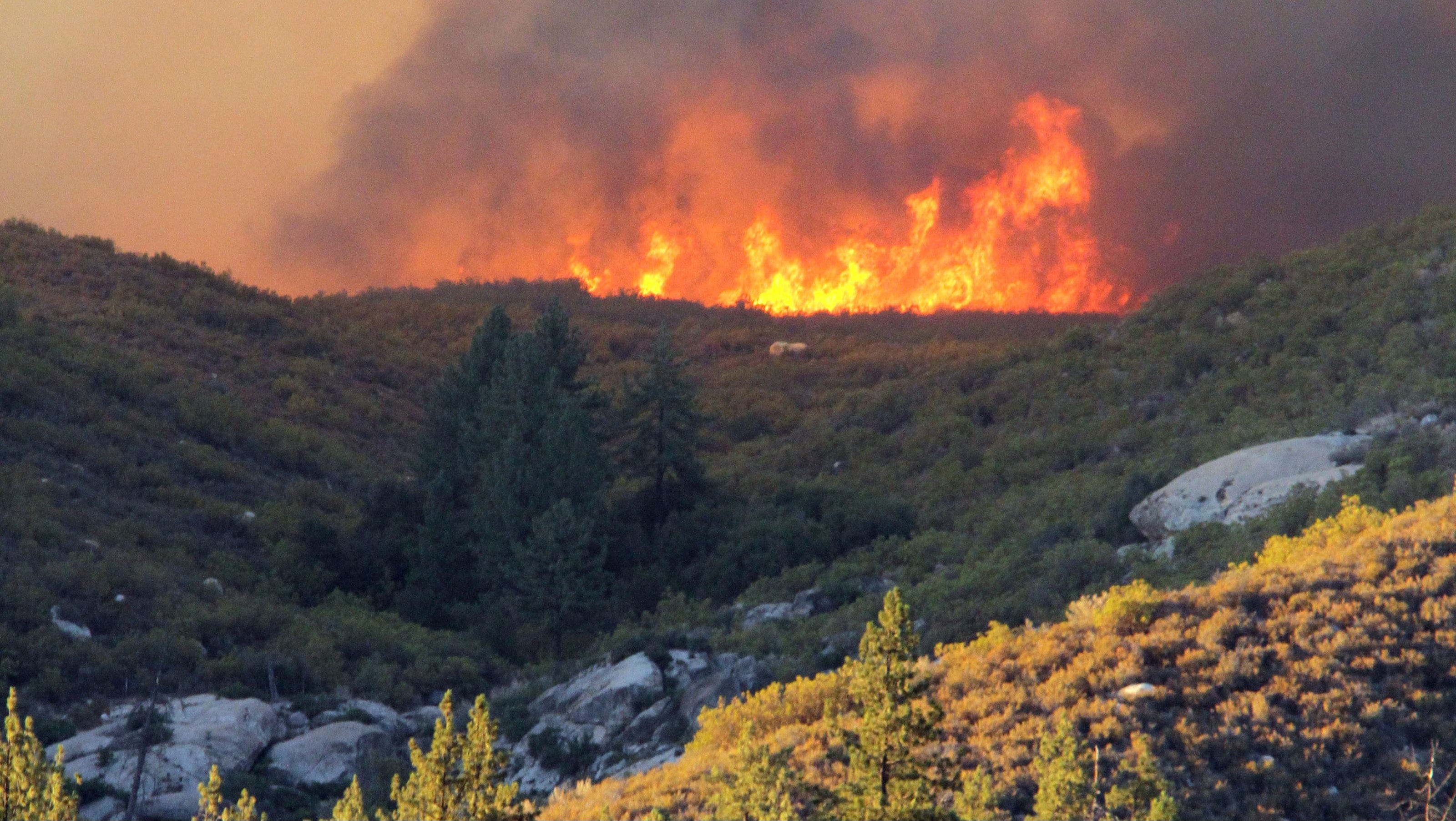
In the annals of human history, there have been pivotal moments where the trajectory of civilization hinged upon the choices made by its inhabitants. From the rise and fall of empires to the advent of technological revolutions, our collective journey has been marked by moments of profound significance. Yet, perhaps none rival the urgency and gravity of the current predicament facing humanity: excessive heating.
For decades, scientists have sounded the alarm, warning of the consequences of our unsustainable actions on the planet. Rising temperatures, melting ice caps, extreme weather events – these are not just abstract concepts relegated to scientific journals; they are the harbingers of a looming catastrophe. And yet, despite the mounting evidence and impassioned pleas from activists, politicians, and environmentalists alike, we find ourselves at a point where the window of opportunity to avert disaster is rapidly closing.
The title of this essay, "Beyond the Point of No Return," may sound alarmist to some, but the stark reality is that we are teetering perilously close to irreversible damage. The Earth's climate is a complex system with tipping points beyond which the consequences become increasingly dire and unpredictable. We have already witnessed the loss of biodiversity, the displacement of communities due to rising sea levels, and the devastation wrought by more frequent and severe natural disasters. And yet, despite these clear signs of impending catastrophe, our response has been woefully inadequate.
One of the greatest challenges in addressing climate change is the pervasive sense of complacency and inertia that permeates society. It is all too easy to fall into the trap of thinking that someone else will solve the problem, or that the issue is too vast and complex for any individual action to make a difference. But this mindset is not only misguided, it is dangerous. Each day that we delay taking meaningful action is another day lost in the fight to preserve our planet for future generations.
Moreover, it is essential to recognize that the impacts of climate change are not distributed equitably. Vulnerable communities, particularly those in the Global South, bear the brunt of the consequences, despite contributing the least to the problem. This stark injustice underscores the moral imperative for action and highlights the interconnectedness of our world. The climate knows no borders; it affects us all, albeit in varying degrees.
So where do we go from here? Is it too late to avert the worst-case scenarios painted by climate scientists? The answer is not straightforward, but one thing is clear: we cannot afford to succumb to despair or resignation. Instead, we must channel our collective energies and resources into a concerted effort to mitigate the impacts of climate change and adapt to the changes that are already underway.
This will require bold and decisive action on multiple fronts. We must transition rapidly away from fossil fuels and embrace renewable energy sources. We must overhaul our agricultural practices to promote sustainability and resilience. We must invest in clean infrastructure and technologies that promote efficiency and conservation. And perhaps most importantly, we must foster a cultural shift that values stewardship of the Earth over short-term profit and consumption.
Time is of the essence. Every day that we delay action is a day lost in the race against climate catastrophe. The stakes could not be higher, nor the imperative more urgent. Beyond the point of no return can be seen as a sobering reminder of the precariousness of our situation. But it is also a call to arms – a rallying cry for humanity to rise to the challenge before us and forge a path towards a more sustainable and equitable future. The choice is ours to make, but the consequences will be felt by generations to come.